When Digital Tables Sync With Betting Lines: Uncovering Player Migration in Hybrid Casino Platforms
Avery Bennett · Aug 25, 2026

When Digital Tables Sync With Betting Lines: Uncovering Player Migration in Hybrid Casino Platforms
Hybrid casino platforms have expanded their technical capabilities throughout 2026, and synchronization between digital table games and betting lines now drives measurable shifts in how players move across game types. Systems link live dealer tables to real-time sports odds through shared user accounts, and data logs show players often transition from one format to another within the same session. August 2026 records from multiple operators indicate these connections have increased session continuity by linking table outcomes directly to adjacent betting markets.
Platform Integration Mechanics
Operators deploy unified APIs that pull odds from sportsbook engines into table game interfaces, and this setup allows a player finishing a blackjack hand to see correlated football prop bets appear without leaving the lobby. Developers at several major platforms tested these sync features during the first half of 2026, while backend logs captured migration paths from poker tables to in-play wagering screens. Research from the University of Nevada, Las Vegas gaming laboratory documented how these links reduce friction points that once separated table play from sports markets.
One engineering report released in July 2026 described how session tokens carry player preferences across modules, and the same report noted that migration spikes occur when table results trigger bonus multipliers that apply to live betting lines. Players who start on digital roulette frequently receive prompts for basketball spreads that match recent table volatility patterns, and operators track these prompts through click-through metrics that feed into retention algorithms.
Observed Migration Patterns
Data collected across North American and Asian hybrid sites reveals distinct routes players follow once synchronization activates. A Nevada Gaming Control Board summary covering January through July 2026 showed that 28 percent of table game users opened a sports bet within the same hour after their session began, and the figure rose when table promotions aligned with ongoing match odds. Similar patterns appeared in Australian operator filings where table-to-sports handoffs increased during major tennis tournaments.
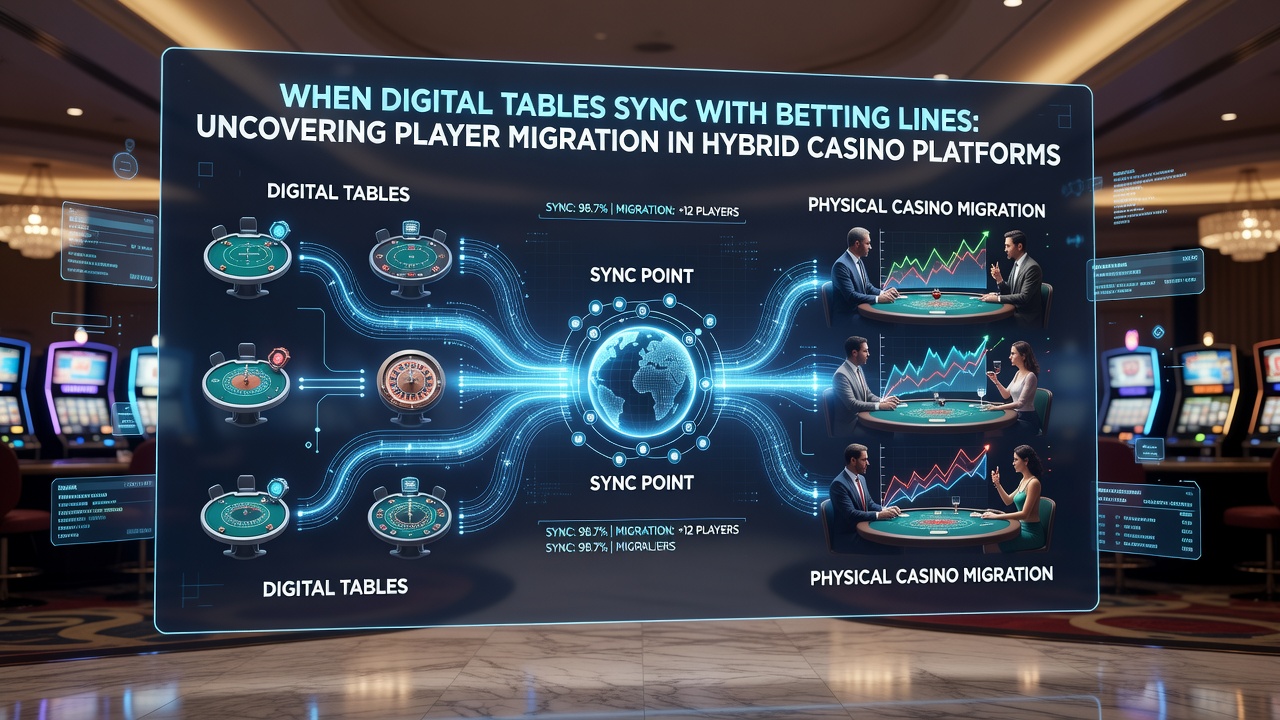
Those studying account-level telemetry report that migration clusters around specific triggers: a table win often precedes a sports bet placement, whereas a table loss sometimes directs users toward lower-stake live odds. Canadian provincial regulators noted comparable behavior in Ontario-licensed platforms during the same period, and cross-border comparisons suggest the pattern holds when interface design keeps both products within one navigation layer.
Regulatory and Data Tracking Developments
August 2026 brought updated reporting requirements in several jurisdictions that now mandate disclosure of cross-product movement statistics. The New Jersey Division of Gaming Enforcement incorporated migration fields into its monthly data submissions, and operators must list the percentage of table sessions that generate sports wagers within defined time windows. These filings provide researchers with standardized datasets that were previously unavailable at this granularity.
Industry groups such as the European Gaming and Betting Association have published guidance on maintaining audit trails for synchronized systems, and the guidance emphasizes logging every handoff between table modules and betting engines. Academic papers presented at the 2026 International Conference on Gambling Studies examined whether these logs reveal demographic differences in migration speed, and preliminary findings indicated younger cohorts transition faster when mobile interfaces display both products simultaneously.
Technical and Operational Considerations
Platform teams continue to refine latency thresholds that keep table results and betting lines aligned in real time, and any delay above 800 milliseconds correlates with reduced handoff rates according to internal tests shared at trade conferences. Security protocols now encrypt the shared session data streams, and compliance teams verify that player consent covers both table and sports tracking under single privacy policies.
Case examples from two large operators illustrate how backend adjustments affected migration volume. After one platform updated its odds refresh rate to match table spin intervals, the proportion of users moving from baccarat to soccer markets rose measurably within three weeks. A second operator adjusted bonus eligibility rules so that table play directly unlocked enhanced live-bet cash-out options, and subsequent reports showed longer overall session durations without corresponding increases in total wager amounts.
Conclusion
Hybrid platforms that synchronize digital tables with betting lines have generated new datasets on player movement that regulators and researchers are only beginning to analyze. August 2026 filings and operator reports establish baseline measurements for these transitions, while technical refinements continue to shape how quickly users shift between formats. The available evidence shows consistent patterns across multiple regions, and further standardized reporting will clarify the long-term scale of these migrations.