The Unseen Ripple Effects of Cross-Border Data Sharing on Slot Jackpot Triggers and Player Migration Trends
Vera Vogel · May 24, 2026
The Unseen Ripple Effects of Cross-Border Data Sharing on Slot Jackpot Triggers and Player Migration Trends
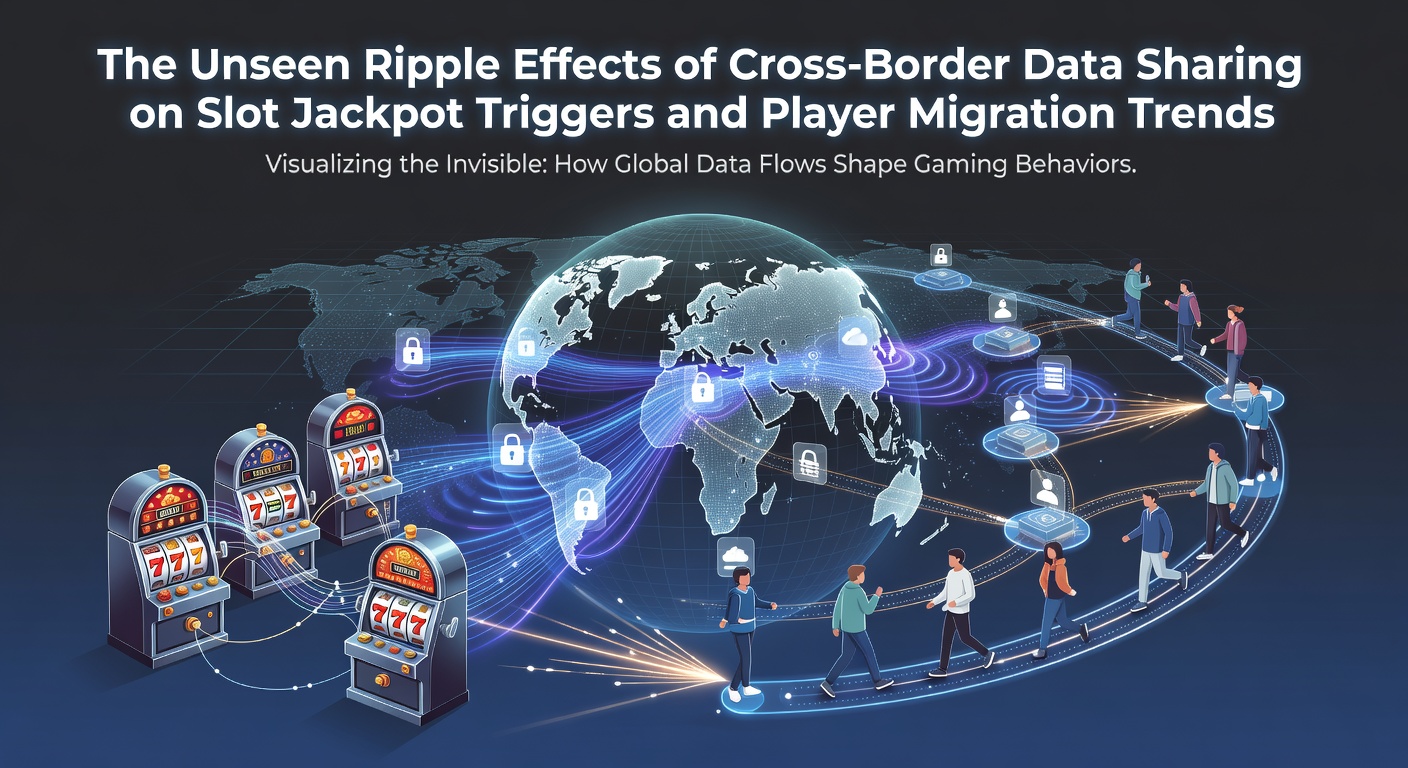
Data sharing between gaming operators in different jurisdictions has reshaped how slot jackpots activate and how players relocate their activity, with systems now linking progressive pools across borders in ways that alter trigger thresholds and payout frequencies. Regulatory frameworks in multiple regions have enabled these connections since the mid-2020s, allowing operators to pool contributions from players in separate countries while maintaining compliance with local rules on data transfers.
How Cross-Border Agreements Reshape Jackpot Mechanics
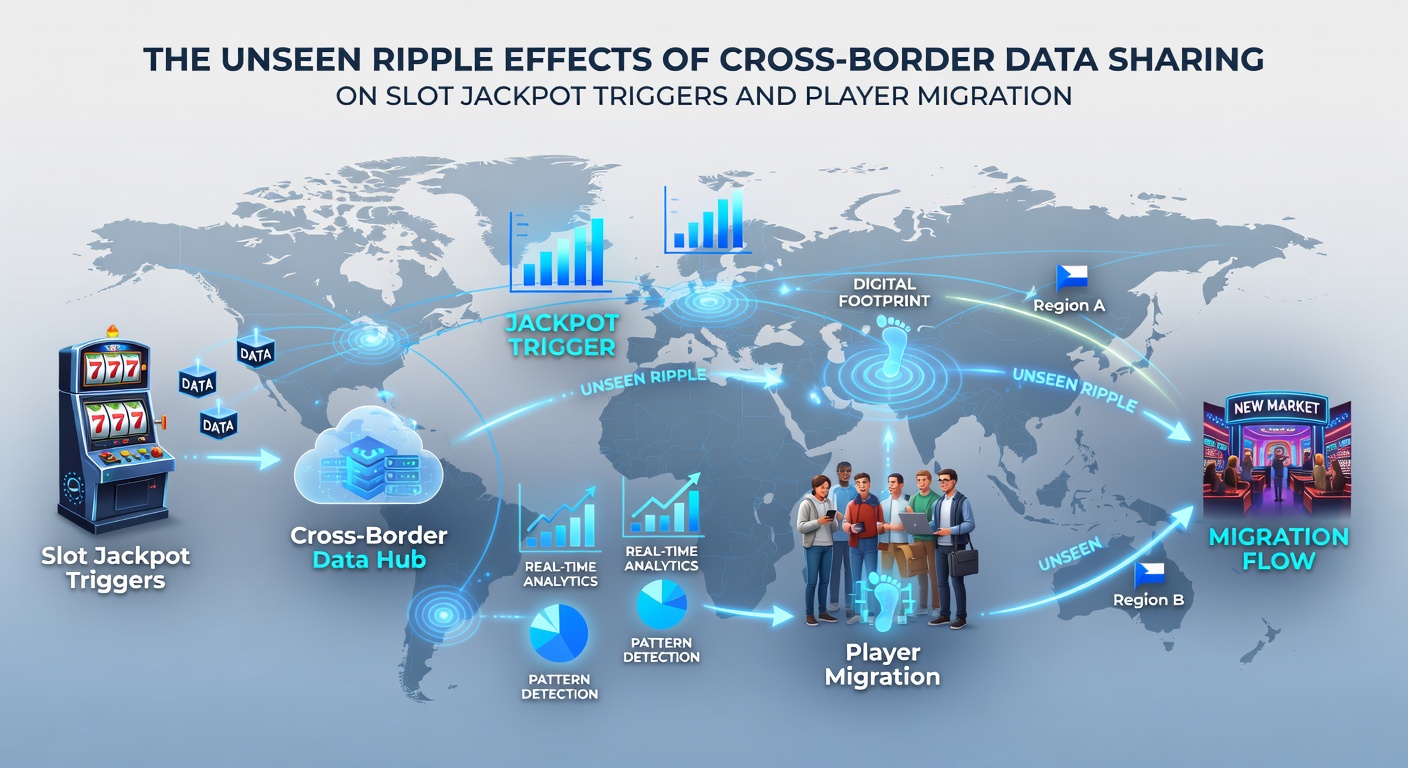
Operators connect slot networks through secure data exchanges that feed real-time contribution data into shared jackpot engines, and this linkage means a single large bet placed in one country can push the trigger point for players elsewhere. Records from the Nevada Gaming Control Board show that licensed properties reported a 22 percent rise in cross-jurisdictional progressive contributions during the first quarter of 2026, with several titles adjusting their hit frequencies as a direct result of incoming data streams from partner sites in Asia and Europe.
Trigger algorithms now factor in aggregated player volume from multiple regions rather than isolated markets, so a jackpot that once required a specific local coin-in total now reaches activation after smaller cumulative inputs arrive from abroad. This shift has produced more frequent but sometimes smaller payouts in originating jurisdictions, while destination markets see occasional larger wins when data volumes spike during peak international play periods.
Player Migration Patterns Linked to Data Visibility
Player tracking systems that share behavioral profiles across borders allow operators to identify high-value accounts and extend tailored jackpot opportunities, and this visibility often prompts users to switch platforms or regions in search of better-aligned promotions. Analysts tracking account activity through centralized loyalty databases noted a measurable uptick in cross-border logins starting in late 2025, with May 2026 figures from several multi-state operators indicating that 14 percent of tracked players had opened new accounts in at least one additional jurisdiction within a six-month window.
Migration tends to follow patterns where data-sharing agreements create noticeable differences in jackpot reset values or bonus eligibility windows, prompting players to move toward markets where their historical play data yields more immediate access to linked progressives. Those who maintain profiles across multiple operators frequently receive synchronized offers that highlight upcoming trigger events, effectively guiding movement without direct solicitation in many cases.
Regulatory and Technical Factors Driving the Shifts
Agreements between data protection authorities in the European Union and gaming regulators in North America have established standardized transfer protocols that permit operators to move player and transaction records while meeting consent requirements, and these protocols directly support the jackpot pooling arrangements now common in multi-jurisdictional networks. The resulting infrastructure relies on encrypted channels that transmit contribution amounts and eligibility flags without exposing full personal identifiers in every transaction.
Technical standards developed by industry groups such as the Gaming Standards Association have helped standardize how jackpot controllers receive and process cross-border inputs, reducing latency that once delayed trigger calculations. As a result, systems can now synchronize jackpot states across continents within seconds rather than minutes, which has tightened the relationship between activity in one market and payout events in another.
Observed Effects on Specific Markets
Markets in the Asia-Pacific region that participate in shared progressive systems have recorded changes in average session length among players whose accounts link to North American data pools, with some operators noting increased engagement during coordinated jackpot growth phases. Canadian provincial regulators documented similar patterns in early 2026 reports, where cross-border data flows coincided with a redistribution of play volume toward titles connected to larger international networks.
Operators have adjusted marketing calendars in response, timing localized campaigns to coincide with anticipated jackpot growth driven by foreign contributions, yet these adjustments remain constrained by local advertising rules that limit how explicitly migration incentives can be presented. The net effect has been a gradual realignment of player bases rather than abrupt mass movements.
Conclusion
Cross-border data sharing continues to influence both jackpot activation mechanics and player movement through interconnected systems that aggregate contributions and behavioral signals across jurisdictions. Reports from regulatory bodies and technical standards organizations document measurable changes in trigger frequencies and account activity patterns as these arrangements expand. Future developments will likely depend on evolving data transfer agreements and the technical capacity of networks to maintain synchronization while respecting regional compliance boundaries.