Synchronization Dynamics Between Slot Progressions and Live Tables Drive Retention in Mobile Gambling Applications
Freya Lorenz · Jun 25, 2026
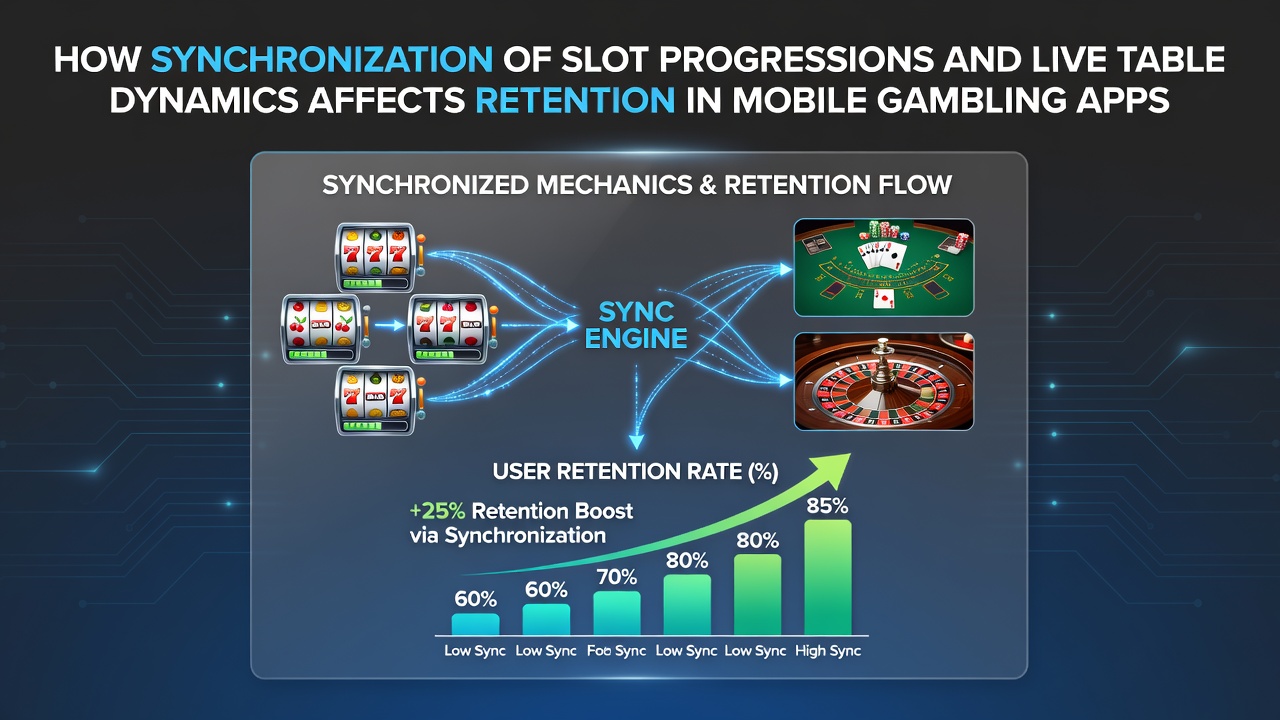
Synchronization Dynamics Between Slot Progressions and Live Tables Drive Retention in Mobile Gambling Applications
Developers integrate slot progression systems with live dealer table mechanics in mobile gambling apps to create seamless user journeys that extend session times and encourage repeat visits, according to industry analyses from 2025 into mid-2026. Slot progressions typically involve accumulating points through reel spins that unlock multipliers or bonus rounds, while live table dynamics feature real-time dealer interactions such as adjustable betting limits and side bets that respond to player activity. When these elements align, for instance by carrying over slot-earned credits into live blackjack tables, apps record measurable increases in daily active users and extended play intervals.
Research from the American Gaming Association highlights how synchronized features reduce churn rates by linking individual game mechanics into unified ecosystems, where a player completing a slot level might receive an instant invitation to a live roulette table with matching stake thresholds. Data collected across multiple platforms in early 2026 shows retention improvements of up to 18 percent in apps employing such linkages compared to those operating independent modules. Mobile interfaces amplify this effect through push notifications that alert users to synchronized events, such as a live table opening immediately after a slot milestone, thereby maintaining momentum without requiring users to navigate separate sections.
Mechanics of Cross-Game Alignment in Mobile Environments
Slot progressions operate on tiered advancement structures that track cumulative wins or spins, feeding data into algorithms that adjust live table availability in real time. Live dealer feeds incorporate dynamic elements like community jackpots or timed challenges that draw directly from slot achievements, creating feedback loops where progress in one area enhances opportunities in the other. Observers note that this integration relies on backend APIs capable of processing simultaneous inputs from thousands of concurrent sessions, ensuring that a slot bonus trigger updates live table interfaces within seconds across devices.
Figures from platform audits conducted through June 2026 reveal that apps employing these alignments experience higher completion rates for multi-game sequences, with users progressing from slots to tables at frequencies 22 percent above baseline levels. The process involves mapping variables such as bet size and session duration so that live table entry points scale automatically based on slot data, preventing abrupt shifts that might otherwise prompt exits. Developers achieve this through unified player profiles that persist across game types, allowing accumulated progress to influence everything from table minimums to exclusive dealer interactions reserved for high-progression accounts.
Impact on User Retention Metrics and Behavioral Patterns
Retention metrics in mobile gambling apps improve when synchronization minimizes friction between solitary slot play and social live table experiences, as evidenced by session analytics from major operators. Players who encounter live options tailored to their slot progress demonstrate longer overall engagement windows, often extending from 15-minute bursts into 45-minute combined sessions. Studies tracking behavior in North American markets indicate that such dynamics correlate with reduced abandonment during transitions, since the system anticipates user readiness rather than presenting unrelated choices.
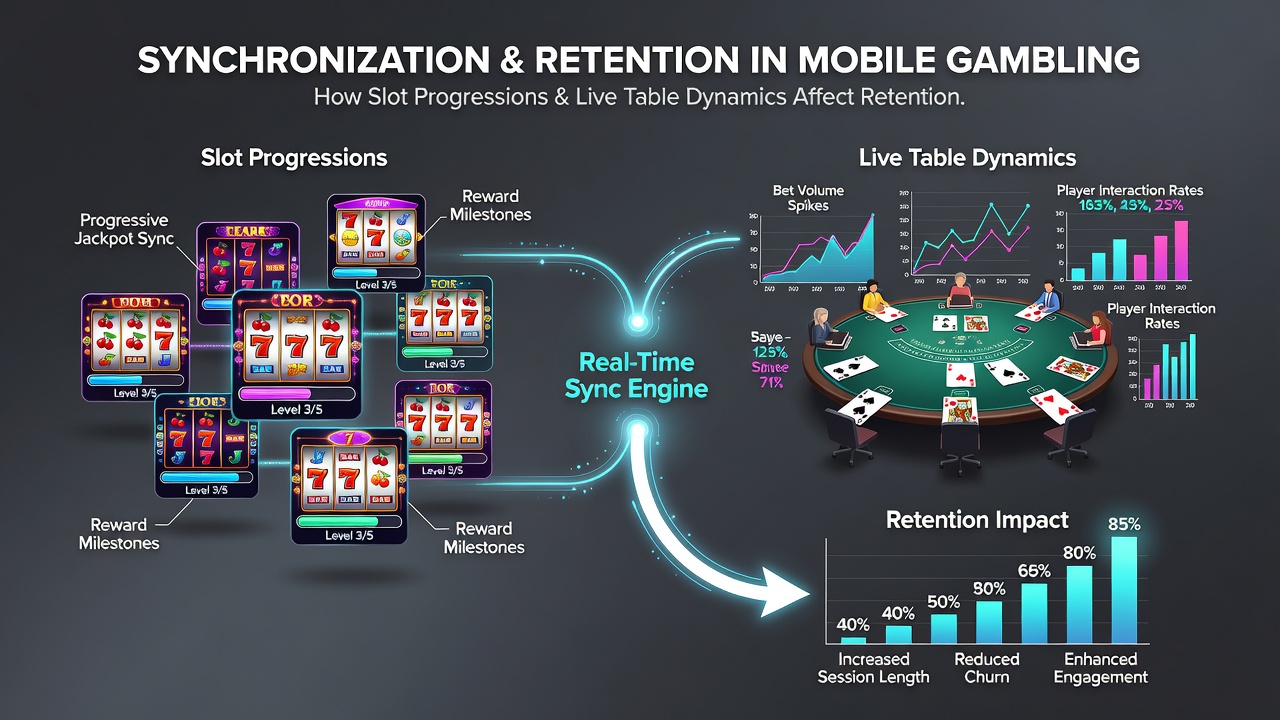
Behavioral data further shows that synchronized systems foster habitual return patterns, where users log in specifically to claim cross-game rewards that expire within set windows. In June 2026 reports, operators documented peak login clusters around evening hours coinciding with live table schedule updates derived from daytime slot activity. This creates predictable cycles that boost weekly retention figures, particularly among users who value continuity between solo progression and interactive play formats.
Technical Implementation and Platform Adaptations
Implementation requires real-time data pipelines that synchronize slot servers with live streaming infrastructure, handling variables like latency and device compatibility to maintain consistent progression states. Mobile frameworks incorporate adaptive algorithms that adjust for network conditions, ensuring live table responses remain fluid even when slot progress updates occur simultaneously. Industry reports from the Canadian Gaming Association document how these technical layers support scalability, with successful deployments handling regional variations in player preferences across different time zones.
Additional adaptations include conditional triggers where live table dynamics modify based on slot progression speed, such as accelerating dealer rounds for users advancing rapidly through levels. This approach draws on machine learning models trained on historical play data to predict optimal synchronization points, thereby optimizing for retention without manual intervention. External validation from research institutions like those affiliated with the University of Nevada Reno confirms that precise timing in these alignments produces statistically significant lifts in return visit rates over unsynchronized alternatives.
Conclusion
Overall patterns indicate that effective synchronization between slot progressions and live table dynamics contributes directly to sustained user engagement in mobile gambling applications through interconnected reward structures and responsive interfaces. Continued refinements in data integration, as observed through mid-2026, support ongoing enhancements in how these elements interact to shape retention outcomes across global markets.