Integrating Loyalty Programs Through Protocol Synchronization in Digital Gaming Ecosystems
Avery Bennett · Jun 30, 2026

Integrating Loyalty Programs Through Protocol Synchronization in Digital Gaming Ecosystems
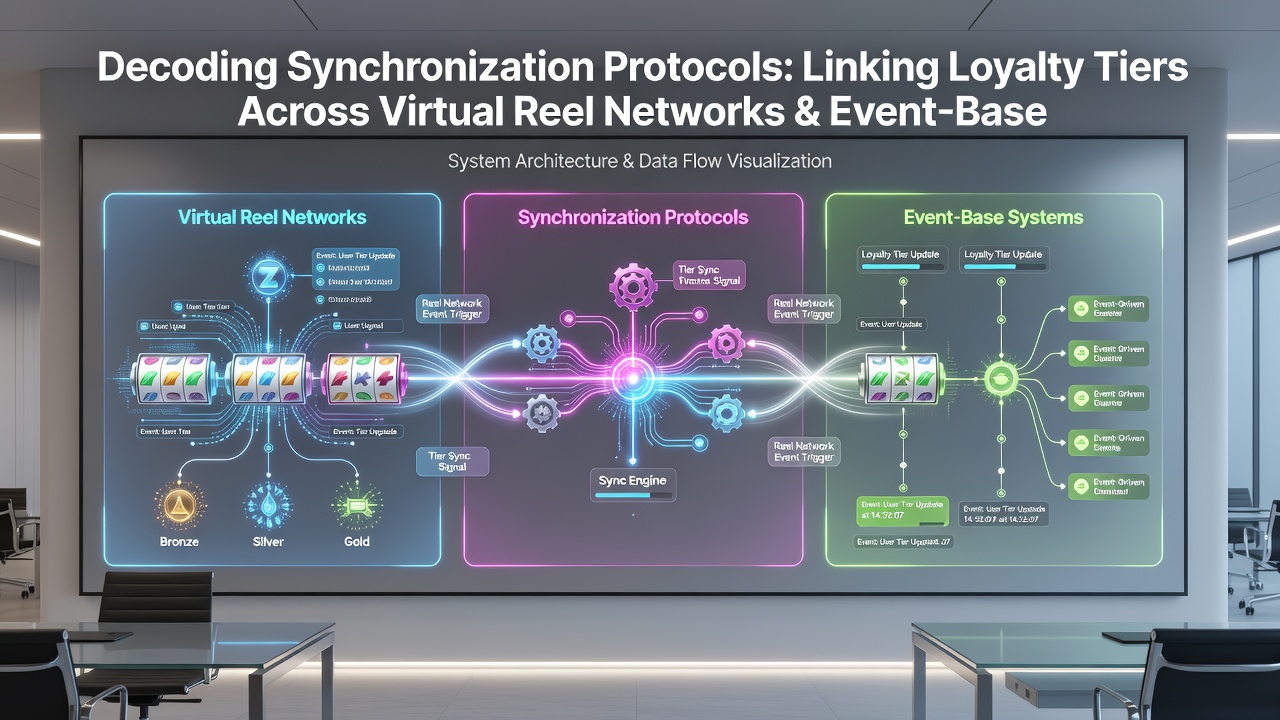
Operators across multiple jurisdictions have implemented synchronization protocols that align loyalty tiers between virtual reel networks and event-based wagering platforms, creating unified reward structures for participants who engage with both slot-style games and live event betting markets. These systems rely on standardized data exchange formats that transmit player activity metrics such as wager volume, session duration, and outcome patterns in real time, allowing tier status earned on one platform type to influence benefits available on the other.
Core Components of Virtual Reel Network Loyalty Tracking
Virtual reel networks process high volumes of micro-transactions through centralized servers that log every spin outcome alongside associated loyalty points, and these records feed into tier progression algorithms that adjust player status based on cumulative play thresholds reached within defined periods. Data from industry reports shows that reel-based platforms typically award points at rates between 0.5 and 2.0 per dollar wagered, with multipliers applied during promotional windows that operators activate to boost engagement during slower periods.
Event-Based Wagering Platform Mechanics
Event-based wagering platforms operate on schedules tied to external occurrences such as sports matches or entertainment spectacles, generating loyalty data in concentrated bursts around event start times while maintaining separate tracking for pre-event and in-play wagers. Synchronization protocols bridge these timing differences by converting event-specific metrics into equivalent reel-network point values using conversion tables that account for volatility differences between the two formats, and researchers at institutions including the University of Nevada have documented how these tables maintain parity across player cohorts.
Platforms must handle variable data latency during peak event windows, where thousands of simultaneous bets create spikes that test protocol resilience, yet successful implementations route loyalty updates through redundant channels that prevent tier status from lagging behind actual activity.
Protocol Architecture and Data Exchange Standards
Modern synchronization relies on API endpoints that support encrypted JSON payloads containing player identifiers, activity timestamps, and tier-relevant metrics, with checksum verification ensuring data integrity across network boundaries. Observers note that operators often layer these exchanges atop existing player management databases rather than rebuilding entire systems, which reduces implementation costs while preserving compatibility with legacy loyalty structures still in use at many properties.
Challenges in Cross-Platform Tier Maintenance
Differences in game volatility create reconciliation difficulties because reel networks produce steady point accumulation whereas event platforms deliver irregular spikes, so protocols incorporate smoothing algorithms that normalize point inflows over rolling windows to avoid artificial tier inflation or deflation. According to figures released by the Nevada Gaming Control Board, several major operators reported successful deployment of these smoothing methods during the first half of 2026, resulting in fewer player complaints regarding delayed tier recognition.
Regulatory requirements in multiple regions further complicate synchronization because data sharing rules vary by jurisdiction, forcing operators to segment loyalty databases geographically while still allowing cross-platform recognition within permitted boundaries, and this segmentation adds layers of compliance checks to every data exchange.
Developments Observed Through June 2026
During June 2026 several North American and Asian operators completed phased rollouts of enhanced synchronization features that incorporated machine learning models capable of predicting optimal tier adjustment timing based on historical cross-platform behavior patterns. These updates coincided with new distribution agreements for cash handling systems that indirectly supported faster loyalty credit processing, and participants in pilot programs gained access to unified dashboards displaying combined reel and event activity without manual data merging.
Industry associations such as the American Gaming Association have tracked adoption rates, noting that properties with integrated systems recorded measurable increases in cross-format participation compared with those maintaining separate loyalty structures.
Conclusion
Synchronization protocols continue to evolve as operators refine data exchange methods to accommodate growing volumes of cross-platform activity, and the technical frameworks established through 2026 provide a foundation for further integration of loyalty mechanisms across additional game categories. Those who monitor regulatory filings and technical specifications can track ongoing refinements that address both operational efficiency and compliance obligations in an expanding digital gaming environment.