Integrated Progression Mapping: Linking Video Reel Dynamics to Multi-Table Wagering in Licensed Jurisdictions
Avery Bennett · Jul 12, 2026
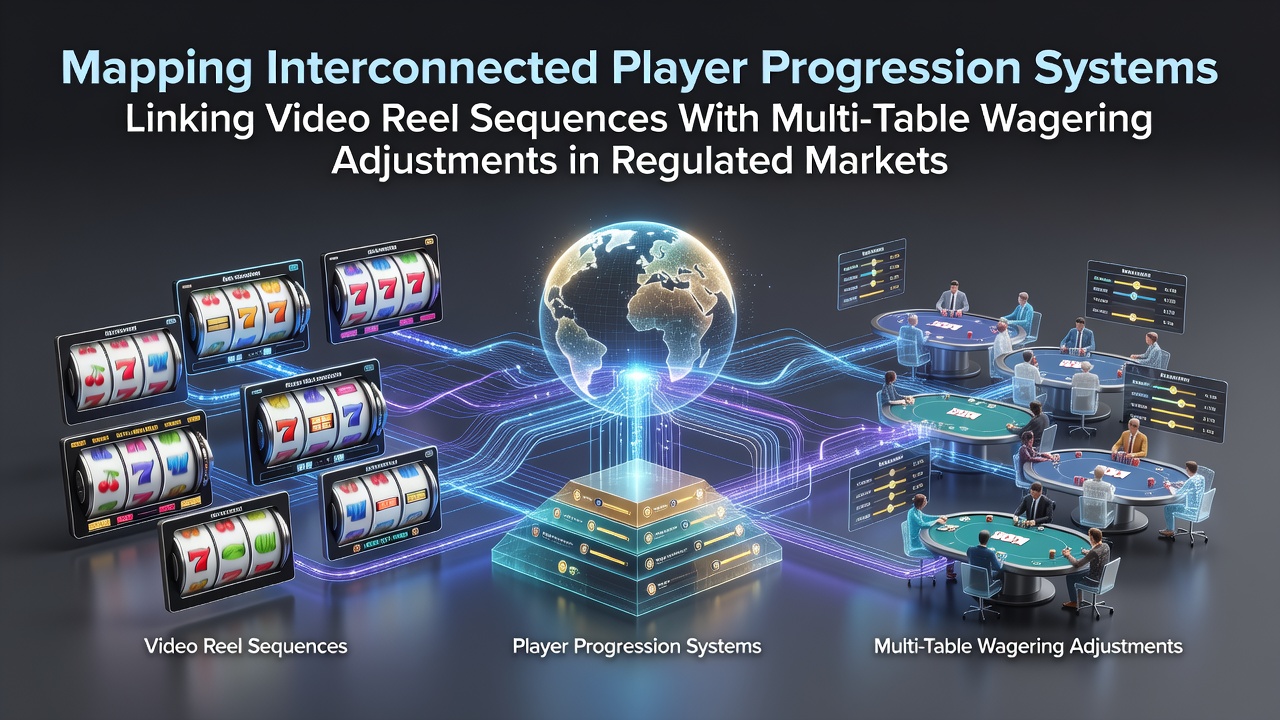
Integrated Progression Mapping: Linking Video Reel Dynamics to Multi-Table Wagering in Licensed Jurisdictions
Regulated markets have developed frameworks that connect player advancement across video reel sequences and multi-table wagering adjustments through shared data protocols and algorithmic linkages, and these connections operate under oversight from bodies such as the Nevada Gaming Control Board along with the Australian Communications and Media Authority. Data from multiple jurisdictions indicates that operators deploy unified player tracking systems to adjust wagering parameters in table environments based on sequences observed in reel-based games, while compliance requirements ensure these adjustments remain within predefined limits set by local statutes.
Core Components of Linked Progression Systems
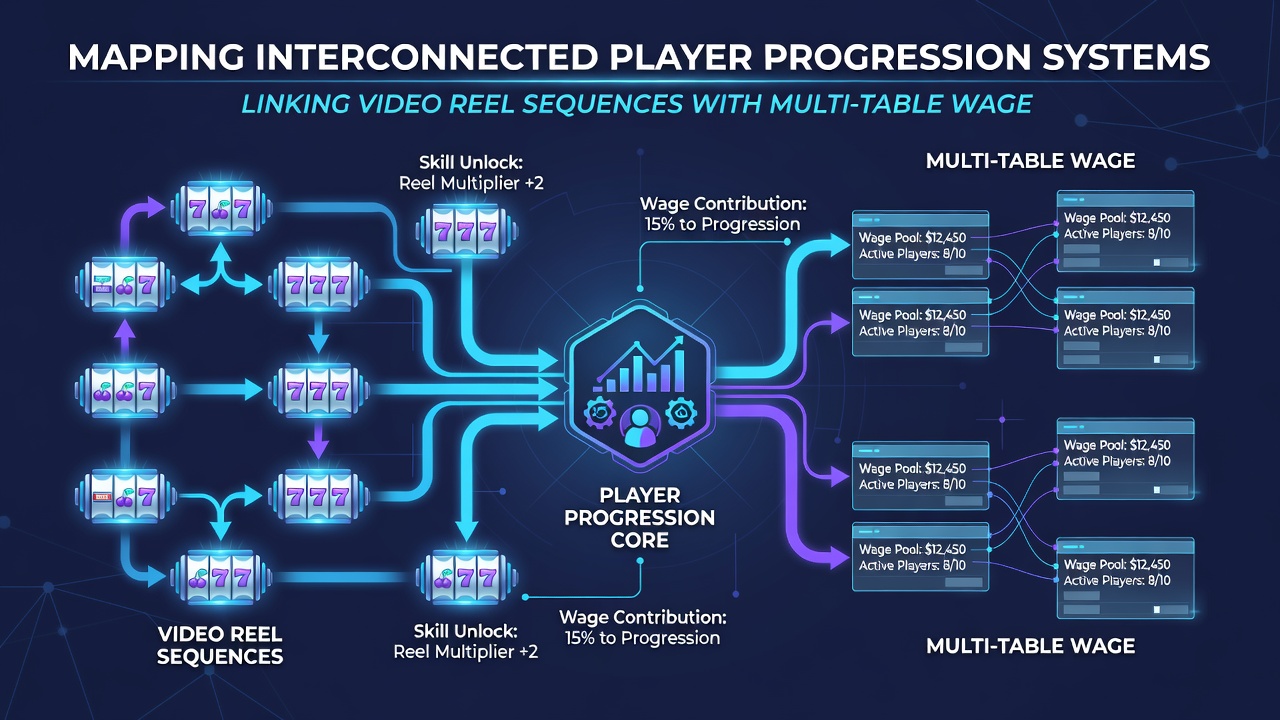
Player progression systems track metrics including spin outcomes, bet sizing patterns, and session durations in video reel formats before feeding this information into algorithms that modify table game parameters such as minimum wager thresholds or side bet availability, and researchers at institutions like the University of Nevada Reno have documented how these linkages reduce redundant data entry while maintaining audit trails required for regulatory reporting. The process begins with reel sequence logging, where specific symbol combinations trigger progression flags that carry over to table environments, allowing operators to apply adjustments without separate player registration steps in each vertical.
Multi-table wagering adjustments typically involve dynamic scaling of limits across poker, blackjack, and roulette tables based on prior reel activity, yet these changes occur only after verification against responsible gambling thresholds established in each jurisdiction. Figures from industry reports reveal that such integrations have expanded in markets including New Jersey and Ontario since 2024, with system vendors supplying APIs that synchronize progression data in real time while logging every adjustment for post-session review by compliance teams.
Technical Architecture and Data Flows
Backend architectures rely on centralized databases that store progression states across game types, and these databases connect reel servers to table management platforms through encrypted channels that prevent unauthorized access. When a player completes a sequence of video reel spins that meets predefined criteria, the system issues a progression token that table software reads upon the player's arrival at a live or virtual table, and this token then triggers wagering adjustments such as increased betting ranges or access to premium table variants. Observers note that synchronization occurs within milliseconds to support seamless player movement between game categories, while audit logs capture each token transfer for inspection by regulators.
Security protocols incorporate multi-factor authentication and end-to-end encryption, and vendors have incorporated blockchain elements in select implementations to create immutable records of progression events. Data shows that these measures align with standards outlined by the International Association of Gaming Regulators, which publishes guidelines on cross-product data handling to minimize discrepancies between jurisdictions.
Regulatory Oversight in Key Markets
Regulators in the United States and Canada require operators to submit detailed mappings of progression linkages before deployment, and these submissions must demonstrate that adjustments do not inadvertently promote excessive play. In July 2026, several state gaming commissions in the US are scheduled to review updated technical standards that address interoperability between reel and table systems, with particular attention to how progression tokens handle cross-border player data under emerging privacy rules. Canadian provincial authorities have similarly updated their certification processes to include stress testing of these integrated platforms, ensuring that wagering adjustments remain reversible when players opt out of progression tracking.
European markets including Malta and Gibraltar enforce comparable requirements through their licensing frameworks, and operators must provide evidence that linked systems respect local responsible gambling tools such as deposit limits and session timers. Reports from the European Gaming and Betting Association indicate that harmonized technical specifications have facilitated smoother compliance for multi-jurisdictional operators while preserving each regulator's authority over final wagering parameters.
Implementation Examples Across Jurisdictions
One documented case involves a major operator in Atlantic City that integrated reel progression data with its multi-table poker network, resulting in automated adjustments to blind levels for players who had accumulated specific reel milestones earlier in the session. Similar patterns appear in Australian venues where linked systems adjust roulette table minimums based on prior slot activity, and these adjustments are recorded in centralized compliance dashboards accessible to state inspectors. Researchers have examined how these implementations affect player migration between game types, with findings indicating measurable shifts in session composition without altering overall revenue distribution patterns.
Testing protocols require operators to simulate edge cases such as network interruptions and rapid player movement between platforms, and successful systems must maintain data integrity throughout these scenarios. Industry associations have compiled case studies that outline best practices for mapping these interconnections while adhering to each market's unique statutory language.
Conclusion
Integrated progression systems continue to evolve as regulators and operators refine the technical and compliance elements that link video reel sequences with multi-table wagering adjustments. Documentation from multiple licensed markets demonstrates consistent application of data synchronization methods, audit requirements, and responsible gambling safeguards, and ongoing reviews scheduled for mid-2026 are expected to introduce further standardization across additional jurisdictions. These frameworks support operational efficiency while preserving the distinct oversight structures that define regulated environments worldwide.