Examining Temporal Factors in Reward Distribution Within Multi-Platform Gaming Infrastructures
Freya Lorenz · Aug 20, 2026
Examining Temporal Factors in Reward Distribution Within Multi-Platform Gaming Infrastructures
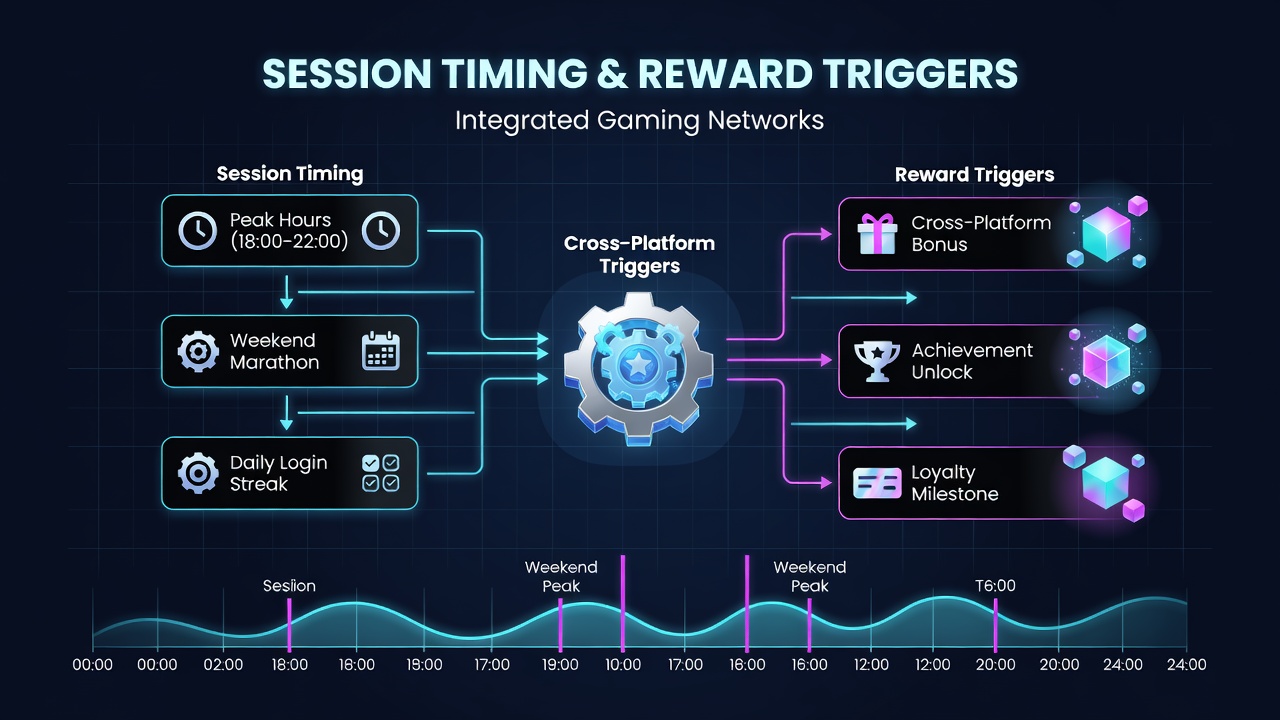
Integrated gaming networks connect mobile, desktop, and console environments through shared user accounts and synchronized databases, which allows operators to monitor session lengths, login frequencies, and activity windows across devices. Data from these systems reveal consistent correlations between specific timing patterns and the activation of cross-platform rewards, such as bonus credits or progression multipliers. Industry reports indicate that sessions initiated during evening hours in certain time zones often align with higher trigger rates for combined incentives that span multiple titles within the same network.
Core Mechanisms Behind Timing Correlations
Operators design algorithms that track cumulative play duration and reset intervals, while reward engines respond to thresholds reached at particular clock times. For instance, a player who logs in between 8 PM and midnight local time may accumulate session minutes that unlock shared progress bars visible on both mobile and desktop interfaces. Studies conducted by research institutions show these triggers operate on rolling windows rather than fixed calendars, which means the same activity level produces different outcomes depending on the hour it occurs. Network logs collected through 2025 and into August 2026 demonstrate that peak alignment happens when session starts coincide with server-side events that refresh daily pools of available rewards.
Data Patterns Across Regions
Analysis of aggregated usage statistics from North American and European operators highlights repeatable clusters where 45-minute sessions begun after 9 PM generate elevated chances of triggering interconnected bonuses. In contrast, shorter midday sessions tend to feed into separate reward categories that remain isolated from evening accumulations. According to findings published by the Australian Gambling Research Centre, time-stamped data sets confirm that cross-platform linkages strengthen when players maintain consistent daily windows rather than random access patterns. These observations hold across networks that integrate slot-style mechanics with competitive multiplayer formats, where reward engines reference both individual session clocks and network-wide activity spikes.
Further examination of server telemetry reveals that reward triggers frequently reference the interval between consecutive logins. Gaps exceeding 24 hours reduce the probability of combined activations, whereas intervals under 12 hours increase the likelihood that progress from one platform carries forward to another. Observers note this behavior in systems that synchronize virtual currency balances and achievement counters in real time, creating a feedback loop where timing directly influences the visibility and value of pending incentives.
Implementation in Operational Networks
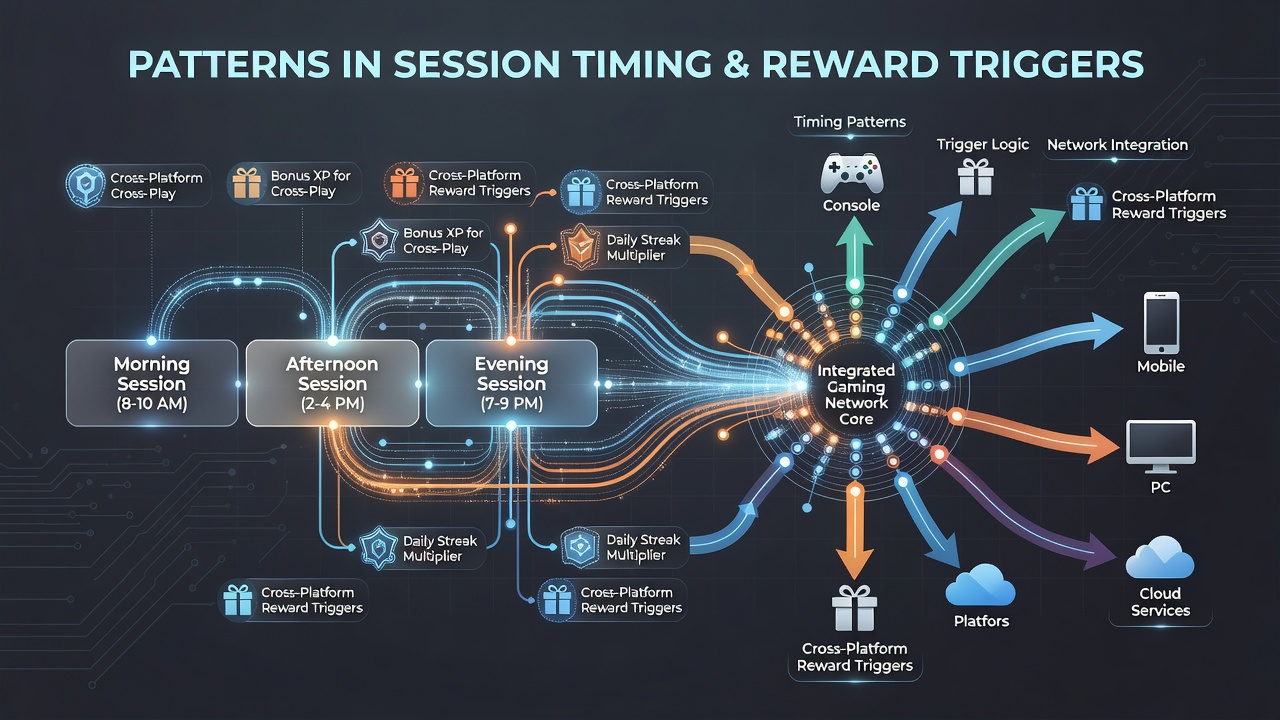
Technical implementations rely on timestamped event logs that feed into centralized decision trees, and these trees evaluate whether a given session meets criteria for multi-title rewards. In practice, a 60-minute mobile session completed before a scheduled daily reset can merge with an earlier desktop session from the same account, producing a unified trigger that would not occur if the sessions fell on separate calendar days. Figures released by the National Council on Problem Gambling research division indicate that networks employing such merged logic report measurable shifts in player retention metrics during periods when timing-based incentives are active.
August 2026 updates to several major platforms introduced refined clock-synchronization protocols that account for daylight-saving transitions, reducing discrepancies that previously disrupted cross-device reward chains. These adjustments demonstrate how minor changes in time-handling code alter the frequency of successful triggers without modifying the underlying reward values themselves. Engineers responsible for these systems emphasize that the core logic remains deterministic once the timing inputs are fixed, which allows operators to predict aggregate reward distribution volumes based on historical login distributions.
Broader Network Effects
Integrated environments that span multiple game genres exhibit stronger timing dependencies because reward engines must reconcile progress metrics from dissimilar mechanics. A racing title and a strategy game sharing the same network may both contribute session minutes toward a common bonus pool, yet only sessions that overlap specific hourly bands activate the final payout step. Research papers from university gaming labs document that these inter-genre linkages produce measurable migration between titles when players discover the timing windows that maximize combined returns.
Network administrators monitor these patterns through dashboards that aggregate anonymized session data, enabling them to adjust threshold values in response to observed clusters. The result is a dynamic environment where reward availability evolves in tandem with collective player behavior rather than remaining static across all hours. Evidence from operational reports confirms that such adjustments maintain balance across the network while preserving the temporal correlations that define the system.
Conclusion
Patterns linking session timing with cross-platform reward triggers continue to shape how integrated gaming networks allocate incentives. Timestamp analysis, regional usage clusters, and algorithmic decision trees together establish predictable relationships between when players engage and which rewards become accessible across devices. As networks refine their time-handling capabilities, these correlations remain central to understanding reward distribution mechanics in multi-platform environments.