Decoding Loyalty Program Hierarchies and Their Impact on Multi-Platform Game Transitions Among Dedicated Enthusiasts
Avery Bennett · Jul 23, 2026
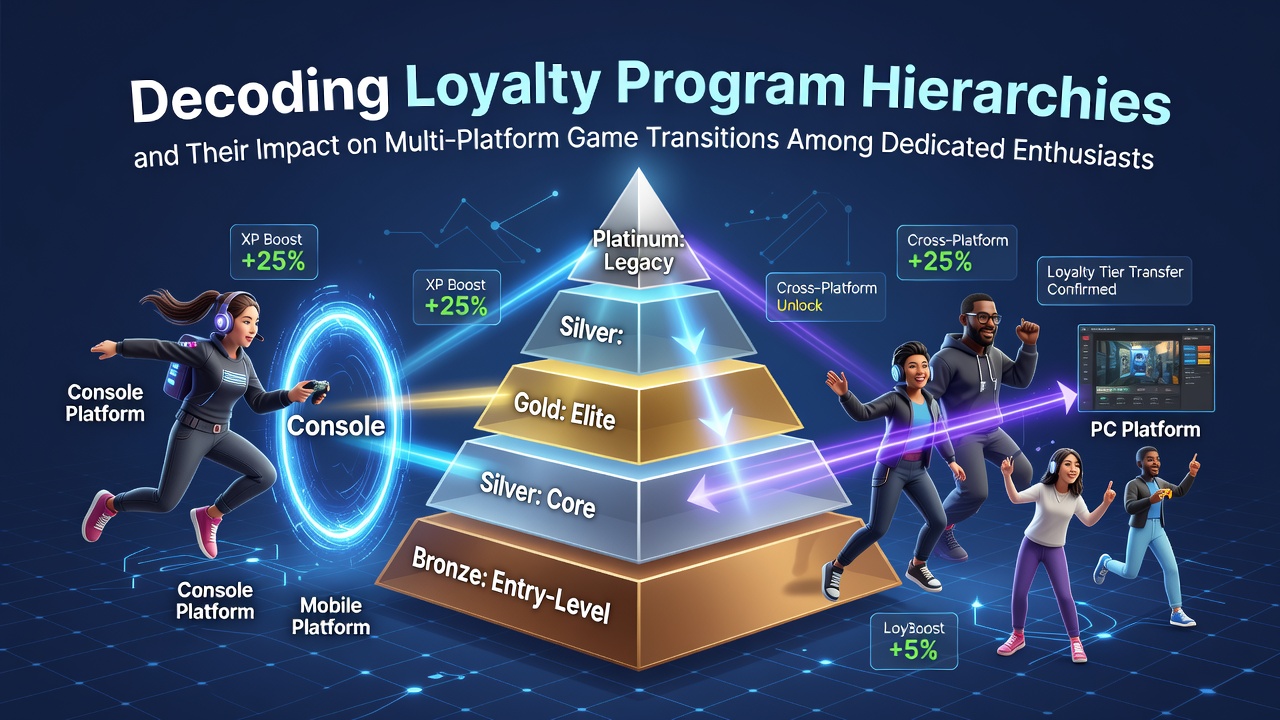
Decoding Loyalty Program Hierarchies and Their Impact on Multi-Platform Game Transitions Among Dedicated Enthusiasts
Loyalty program hierarchies in gaming environments operate through structured tiers that reward consistent participation with escalating benefits, and these systems shape how dedicated enthusiasts move between desktop, mobile, and land-based platforms. Observers note that higher tiers often unlock personalized offers, faster withdrawals, and exclusive events, which create measurable incentives for players to maintain activity across multiple interfaces rather than settling into a single format.
Core Elements of Tiered Reward Systems
Most programs assign players to levels based on points accumulated through wagers, deposits, and time spent, with entry thresholds that rise sharply at each stage, and data from industry reports indicate that platinum or diamond tiers frequently require annual play volumes exceeding several hundred thousand dollars in total bets. These structures incorporate multipliers for certain game types, which means enthusiasts who shift between slots on mobile during commutes and table games on desktop in the evenings can accelerate their climb when the algorithms credit cross-platform activity. Researchers have tracked retention patterns showing that once players reach mid-tier status, the perceived value of remaining benefits discourages abrupt exits from the ecosystem even when competing platforms launch new titles.
Platform Transitions Driven by Tier Benefits
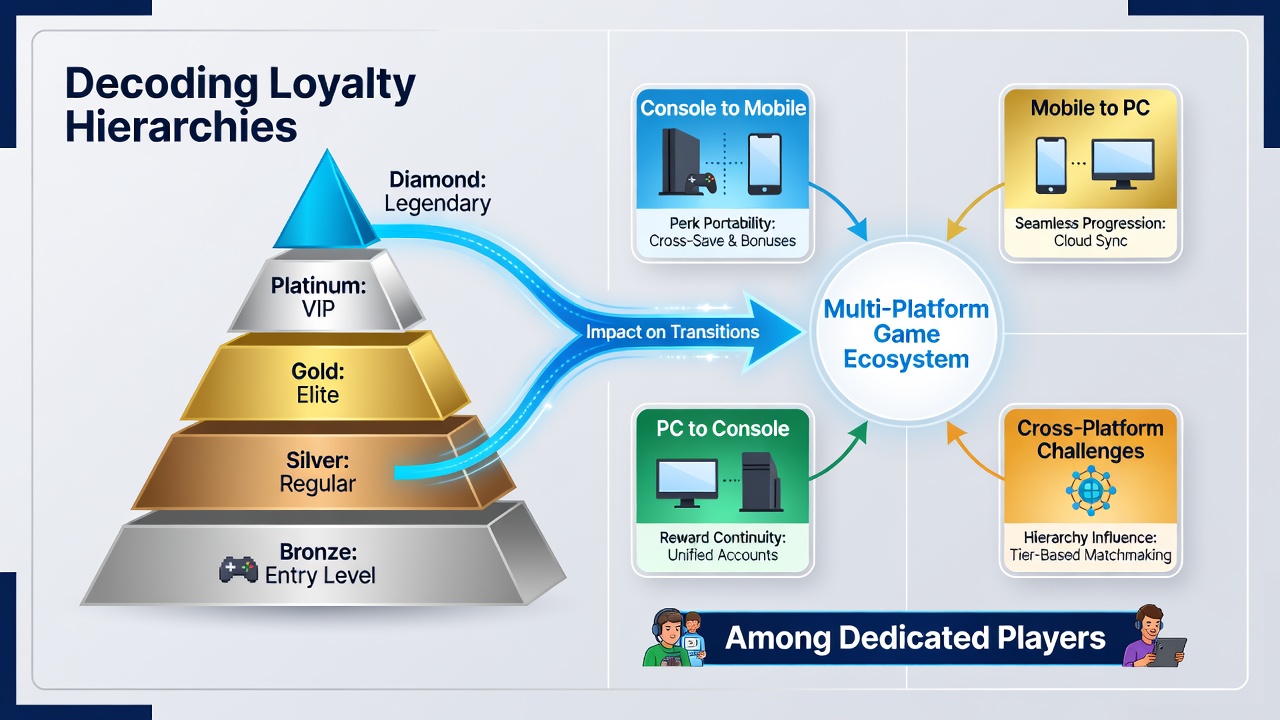
Enthusiasts often initiate transitions when a loyalty program grants mobile-only bonus spins or desktop-exclusive tournament entries that align with their tier status, and studies from academic sources reveal that such targeted incentives increase session frequency on secondary devices by measurable margins. For instance, one analysis of player logs found that gold-tier members who received a land-based casino voucher alongside their online status were more likely to visit physical properties during the same month, thereby linking digital progress with real-world engagement. The mechanics rely on unified player accounts that carry tier status across channels, which reduces friction and allows accumulated points to influence decisions about where and when to play next.
Behavioral Patterns Among High-Tier Participants
Those who achieve top tiers demonstrate distinct migration habits, frequently alternating between platforms within a single day to maximize point-earning opportunities tied to time-limited promotions, while lower-tier players tend to remain stationary until a significant reward milestone appears. Data shows that VIP hosts contact these enthusiasts directly with tailored offers that reference activity on specific platforms, creating a feedback loop where transitions become routine rather than exceptional. In July 2026, several major operators updated their tracking dashboards to display combined points across mobile and desktop sessions in real time, a change that further streamlined the decision process for dedicated users weighing where to allocate their next play session.
Industry Data on Retention and Migration
Figures released by the American Gaming Association highlight that programs with seamless multi-platform recognition retain tiered members at rates approximately 25 percent higher than single-channel alternatives, and this holds across both regulated U.S. markets and Asian integrated resorts. Enthusiasts report that the ability to redeem tier benefits earned on one platform at another location eliminates the need to restart progress elsewhere, which in turn stabilizes long-term participation even as new game releases emerge. What's interesting is how algorithm updates that adjust point values for certain titles can trigger short-term spikes in transitions as players chase optimal earning environments before the next reset period.
Regulatory Context and Cross-Border Considerations
Authorities such as the Nevada Gaming Control Board and the Australian Gambling Research Centre have examined how unified loyalty databases affect player movement, with particular attention to data-sharing protocols that maintain tier status while complying with jurisdictional rules. These examinations show that enthusiasts crossing between licensed operators often carry partial benefits forward when partnership agreements exist, which influences decisions about whether to consolidate activity or maintain parallel accounts. Observers note that transparency requirements in several regions now mandate clear disclosure of how points transfer, a development that has made transitions more predictable for dedicated participants planning their activity calendars.
Conclusion
Tiered loyalty hierarchies continue to function as structural guides for how dedicated enthusiasts allocate time and wagers across gaming platforms, with benefits that reward consistency while shaping migration timing and frequency. The integration of real-time tracking and cross-channel redemptions has made these movements more fluid, and ongoing updates from regulators and operators alike suggest the patterns will remain central to retention strategies in coming periods.