Charting Tactical Shifts Across Poker and Sportsbook Overlaps Amid Changing Incentive Structures
Henrik Franke · Jun 4, 2026
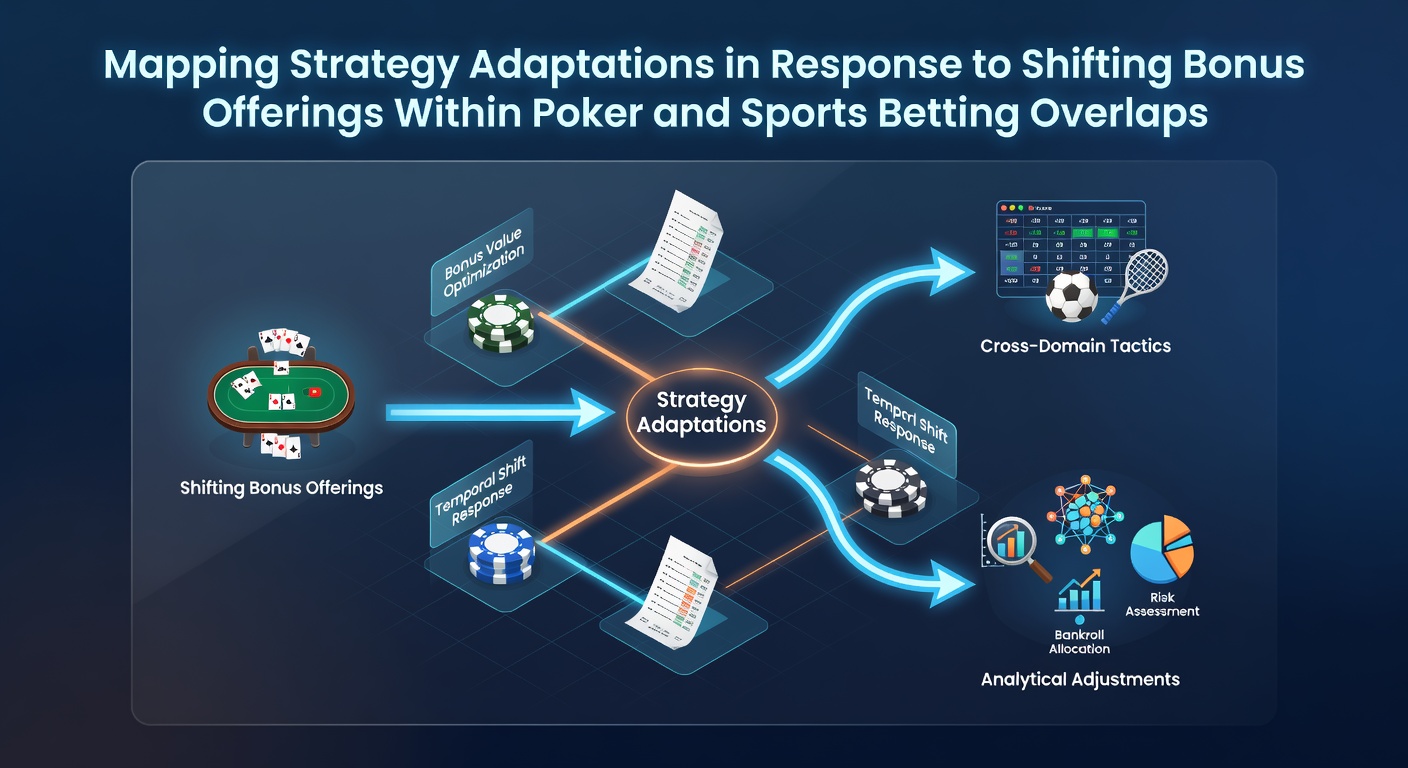
Charting Tactical Shifts Across Poker and Sportsbook Overlaps Amid Changing Incentive Structures
Operators in regulated markets continue to refine their approaches as bonus structures evolve within environments where poker rooms intersect with sports wagering platforms, and data from early 2026 shows measurable adjustments in player routing and promotional allocation. These intersections create shared ecosystems where a single account might trigger both table game incentives and event-based rewards, prompting platforms to recalibrate eligibility rules and redemption paths throughout the spring months.
Core Mechanics of Overlapping Markets
Platforms that host both poker and sports betting often share backend systems for tracking player activity, which means a bonus earned through one vertical can influence availability in the other; this linkage became more pronounced after several jurisdictions updated their multi-game licensing frameworks in late 2025. Research indicates that players who split time between cash games and live betting events respond differently when rollover requirements change, leading operators to segment offers by activity type rather than blanket promotions.
June 2026 figures from North American and European operators reveal that hybrid accounts, those active in both poker and sportsbooks, now represent a growing share of total bonus redemptions, while separate tracking shows that sports-focused users migrate toward poker tables when deposit-match offers include table-game credits. Those patterns emerge because many sites apply unified loyalty tiers across verticals, allowing points accumulated from parlays to unlock poker tournament entries.
Observed Adjustments in Bonus Design
Changes in bonus structures typically involve tighter time windows for sports wagers paired with extended play requirements for poker, a combination that encourages users to maintain activity across both sections rather than concentrating on one. Data collected through player behavior platforms shows that when sportsbooks reduce maximum bet sizes eligible for bonuses, a measurable portion of hybrid users increase their poker session lengths to meet overall wagering thresholds.
Regulatory updates in multiple regions have further influenced these designs, and reports from the Responsible Gambling Council of Canada highlight how cross-vertical promotions must now include clearer disclosure of contribution rates toward different game types. This requirement stems from player feedback collected in early 2026, where confusion arose when sports bets counted at reduced percentages compared with poker hands.
Player Routing and Platform Responses
Operators track migration between poker and sports sections using session data, and adjustments often include temporary boosts to one vertical when activity in the other drops below internal benchmarks. In June 2026, several major platforms introduced staggered bonus calendars that alternate emphasis between live events and tournament series, a method intended to smooth traffic and reduce server load during peak hours.
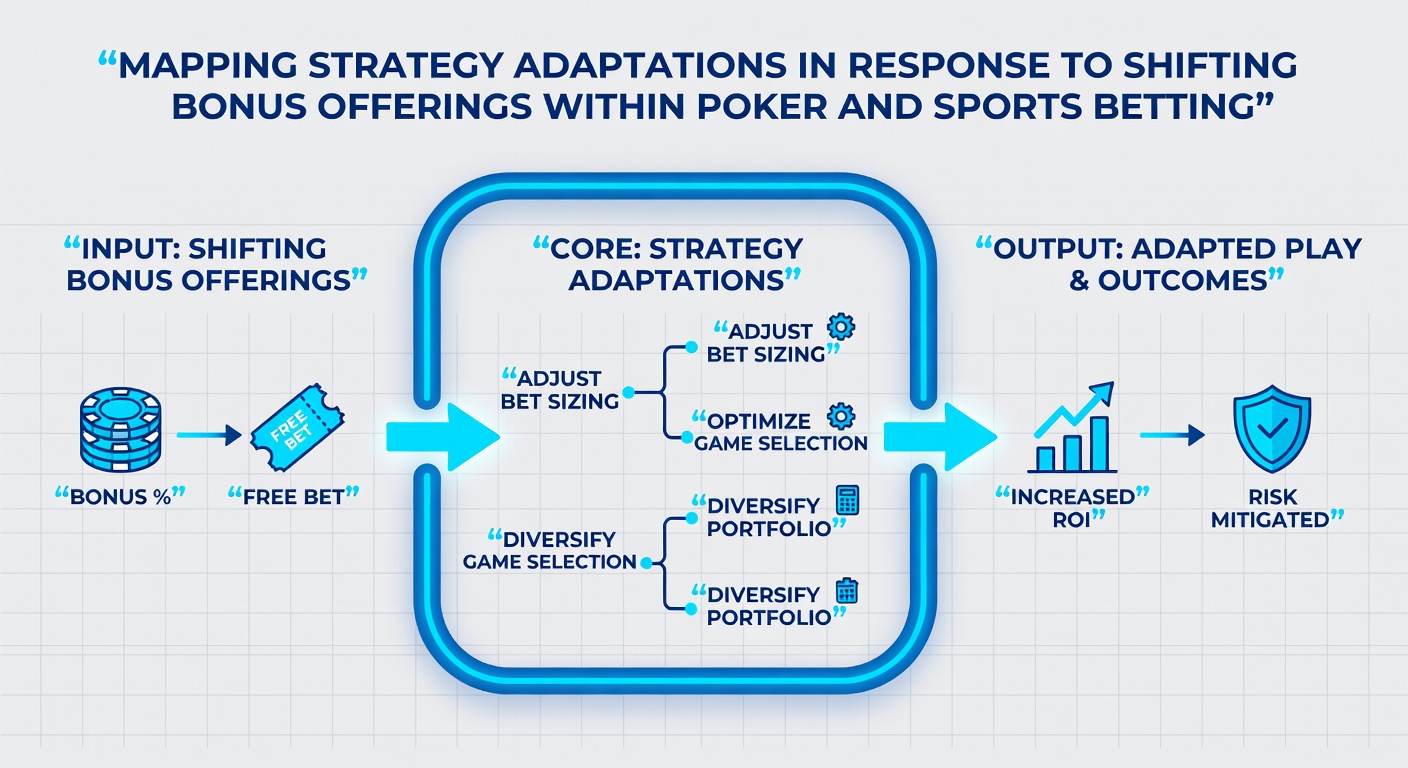
Those who've examined account-level data note that users who receive sports-specific reload bonuses frequently transition into poker cash games within the same login session, especially when the bonus includes a small poker credit component. This behavior creates opportunities for operators to test micro-incentives that bridge the two verticals without inflating overall bonus costs.
Regional Variations in Implementation
Markets in Australia and parts of the European Union have adopted different contribution weighting systems for hybrid bonuses, according to summaries published by the Australian Gambling Research Centre. These systems assign higher percentages to poker rake than to sports margins in some cases, which alters how players prioritize their activity when chasing tiered rewards. Platforms operating across borders therefore maintain separate rule sets that reflect local compliance needs while preserving unified account management for users.
June 2026 also saw increased use of conditional offers that activate only after a player completes a set number of hands or bets within a rolling window, a tactic that reduces the chance of bonus abuse while still supporting engagement across both poker and sports sections. Observers tracking these developments report that such conditions help stabilize promotional budgets without requiring broad cuts to overall incentive levels.
Conclusion
Strategy adaptations in these overlapping markets continue to center on precise segmentation of offers and careful alignment of wagering requirements across verticals. As data collection improves and regulatory expectations evolve, platforms maintain flexibility by monitoring real-time shifts in player movement between poker and sports betting activities. This ongoing calibration supports sustained participation while meeting compliance standards across different jurisdictions.