Bridging Immersive Technologies With Established Betting Systems in Licensed Jurisdictions
Avery Bennett · Aug 18, 2026
Bridging Immersive Technologies With Established Betting Systems in Licensed Jurisdictions
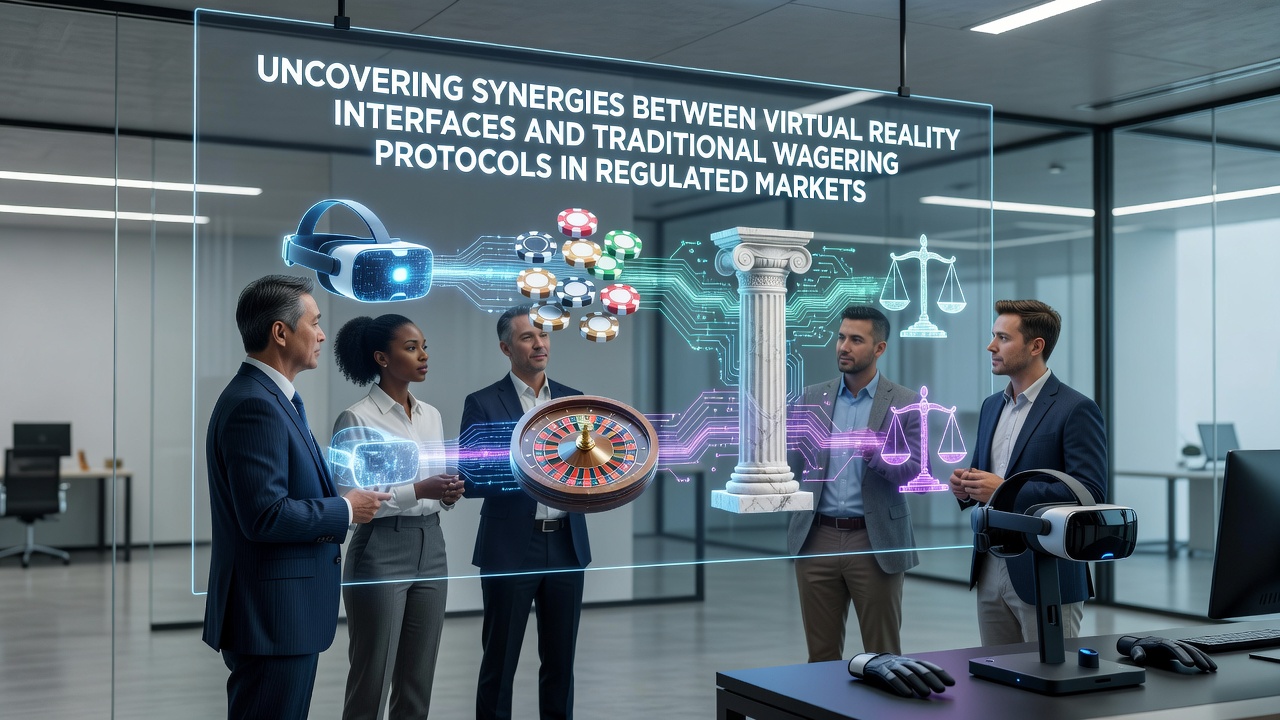
Virtual reality platforms continue to intersect with conventional wagering frameworks across multiple regulated markets, creating operational overlaps that operators and oversight bodies examine closely. Data from industry reports in August 2026 shows increased testing of VR environments that connect directly to existing random number generator systems, payment gateways, and player verification databases already mandated by licensing authorities. These connections allow users to place wagers through headsets while the underlying transaction and compliance layers remain unchanged from those used in standard online or land-based platforms.
Regulatory Frameworks Supporting Integration
Authorities in New Jersey and Ontario have updated technical standards that explicitly address VR device compatibility with core wagering protocols. The New Jersey Division of Gaming Enforcement published revised guidelines in mid-2026 requiring that any VR interface must route all bets through the same certified servers used for desktop and mobile applications. Similar requirements appear in iGaming Ontario documentation, which emphasizes seamless audit trails regardless of the access method. These rules ensure that traditional responsible gambling tools, such as session limits and self-exclusion lists, function identically whether a player uses a headset or a conventional browser.
Observers note that this approach reduces the need for entirely new compliance infrastructures. Instead, operators adapt existing protocols to accommodate VR inputs while preserving the same reporting obligations to regulators. Figures released by the American Gaming Association indicate that several licensed operators completed initial VR pilot programs during the first half of 2026, focusing primarily on sports wagering overlays and table game simulations that feed directly into established back-end systems.
Technical Overlaps Between VR Interfaces and Core Wagering Protocols
Developers achieve integration by mapping VR hand-tracking and voice commands to the same application programming interfaces that handle traditional button clicks or touch inputs. This mapping preserves the integrity of bet placement sequences and ensures that every action registers within the central gaming system used for regulatory reporting. Research conducted by university-affiliated labs in 2025 and 2026 demonstrated that latency between VR input and wager confirmation can be maintained below thresholds already required by most licensing jurisdictions.
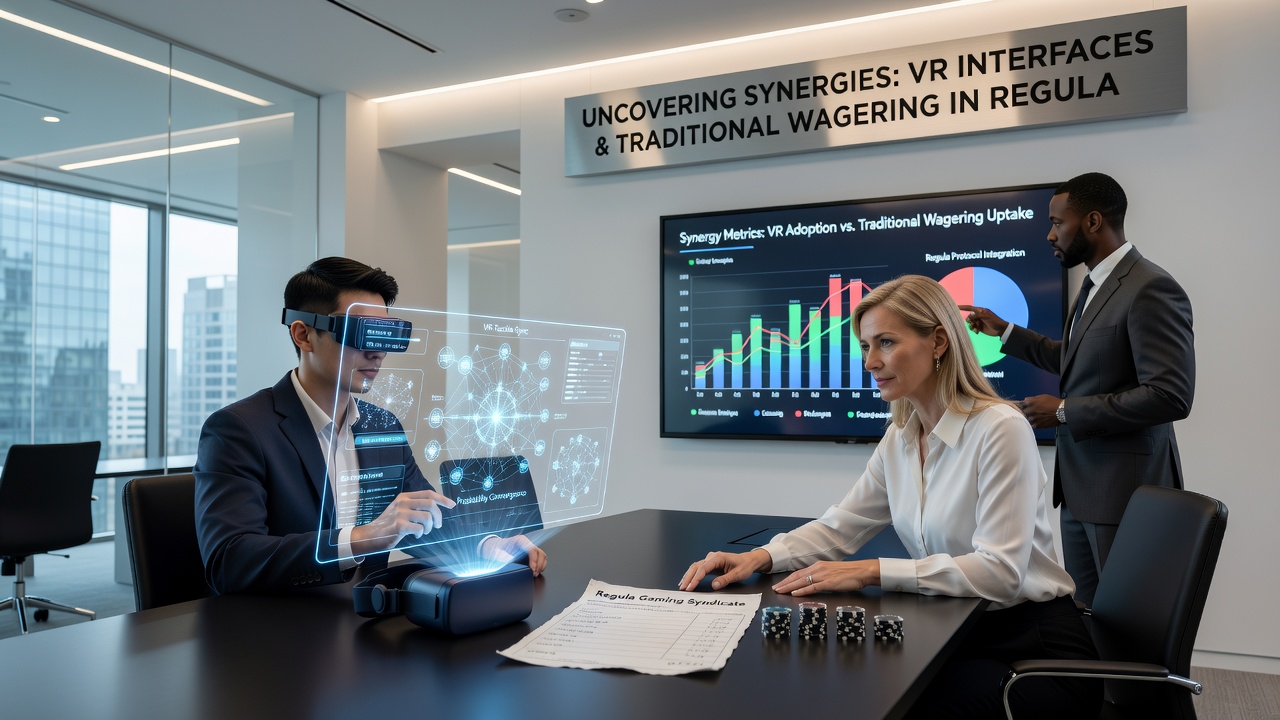
Payment processing follows the same pattern. Funds move through the identical e-wallet or banking integrations that support non-VR channels, which simplifies reconciliation and reduces discrepancies during routine audits. Anti-money laundering checks remain anchored to the same customer identification records, while geolocation verification continues to rely on established mobile device data rather than headset-specific sensors.
Market Examples and Implementation Patterns
Operators in Michigan and Pennsylvania have incorporated VR elements into live dealer environments where the visual layer changes but the underlying game logic and payout calculations stay consistent with approved versions. One study revealed that players accessing these hybrid setups completed the same identity verification steps required on standard platforms, with no additional data fields introduced. Australian regulatory bodies have similarly reviewed proposals that keep all wagering activity within the framework governed by existing state legislation, avoiding the creation of separate VR-specific licensing categories.
What's interesting is how these implementations treat VR as an additional presentation layer rather than a distinct product category. Data shows that jackpot contributions, progressive meter updates, and bonus calculations continue to operate from the same centralized engines used across all channels. This unified approach allows regulators to apply consistent testing and certification processes without developing new evaluation criteria for each emerging interface.
Challenges in Maintaining Protocol Consistency
Hardware variability presents ongoing considerations. Different headset models process spatial tracking and rendering at varying speeds, which operators must account for when synchronizing with real-time betting clocks. Technical working groups affiliated with European gaming associations have begun publishing interoperability recommendations that reference existing standards rather than proposing entirely new ones. These recommendations focus on ensuring that any VR session can pause or terminate through the same mechanisms already embedded in traditional protocols.
Security protocols receive particular attention because headset sensors collect additional biometric data. Regulated operators address this by routing only wager-related information through certified channels while discarding or anonymizing extraneous sensor output before it reaches central servers. This selective data handling aligns with privacy expectations already codified in multiple jurisdictions.
Conclusion
Integration efforts between virtual reality interfaces and traditional wagering protocols continue to emphasize compatibility with established regulatory requirements. Reports from August 2026 indicate that operators and authorities prioritize routing all VR activity through the same certified systems used for conventional play. This method preserves audit capabilities, responsible gambling features, and financial transaction standards across licensed markets. Further technical alignment appears likely as hardware matures and additional jurisdictions review updated compliance documentation.