Biological Clocks Dictate Mobile Session Patterns in Slots and Table Games
Freya Lorenz · Jun 18, 2026
Biological Clocks Dictate Mobile Session Patterns in Slots and Table Games
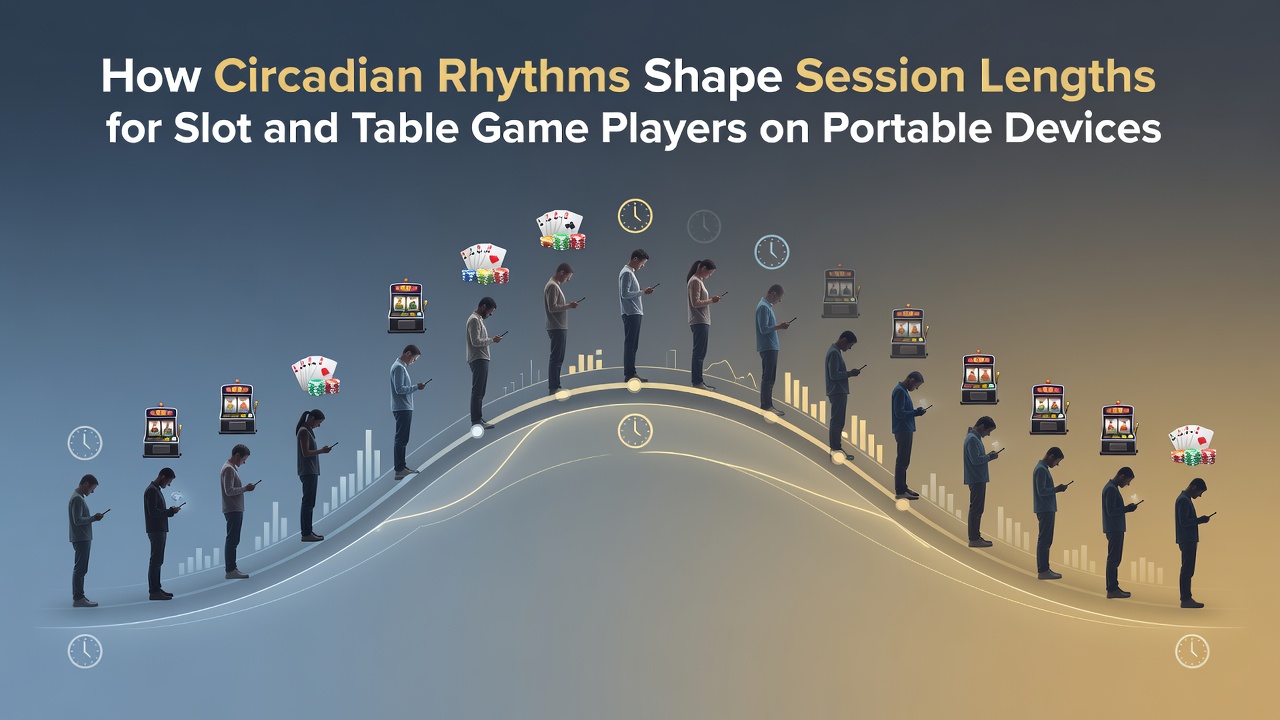
Portable devices have transformed access to slot and table games, yet daily biological rhythms continue to guide how long players remain engaged on any given session. Circadian cycles regulate alertness, decision speed, and fatigue across a 24-hour period, and data collected from gaming platforms show measurable shifts in session duration that align with these internal clocks. Researchers tracking anonymized play logs find that average session times lengthen during periods of naturally lower alertness while shortening when users report higher focus through self-monitoring apps.
Core Mechanisms Linking Body Rhythms to Play Duration
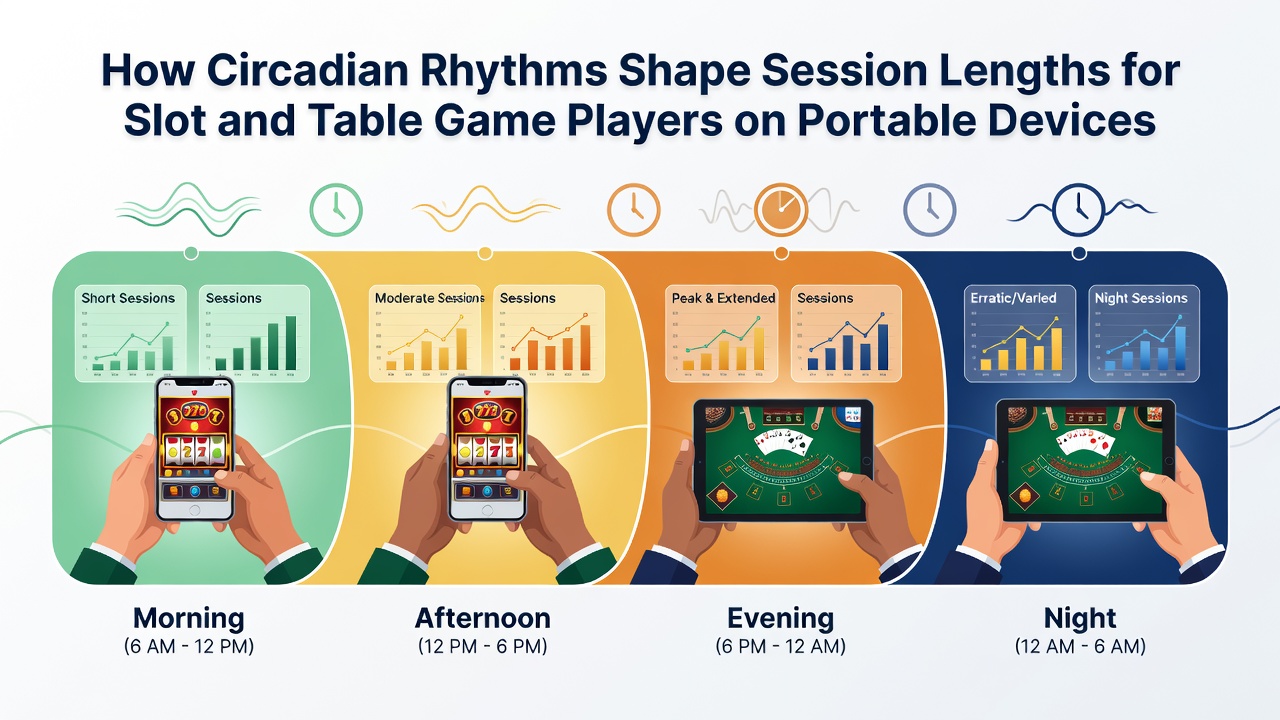
Core body temperature dips and rises in predictable waves, and these fluctuations correlate directly with extended play intervals on mobile slots and live table interfaces. When melatonin levels climb after sunset, reaction times slow for many users, yet engagement metrics from multiple operators indicate sessions stretch by 15 to 25 minutes compared with midday peaks. Studies conducted at universities in Australia and Canada confirm that players logging in between 10 p.m. adn 2 a.m. local time complete more spins or hands before exiting the app than those active during morning hours.
Portable screens emit blue light that can further delay natural sleep onset, creating a feedback loop where extended sessions become more likely. Device telemetry shared with academic teams reveals that brightness settings left at maximum during late-night play coincide with the longest recorded table game rounds, while users who enable night-mode filters tend to log shorter intervals overall. Government health agencies in several regions have begun publishing guidance on screen exposure and sleep disruption, noting that these patterns appear consistently across different gaming verticals.
Observed Differences Between Slot and Table Game Behaviors
Slot sessions on mobile devices exhibit stronger ties to circadian dips than table game sessions, according to aggregated operator reports released in early 2026. Reel-based games allow passive engagement that matches reduced cognitive load during evening hours, leading to longer continuous play windows. Table games, by contrast, demand quicker decisions and social interaction through live dealer feeds, so session lengths remain more stable even as body rhythms shift.
One analysis of North American and European user data showed that slot players averaged 42 minutes per session after 11 p.m., whereas table enthusiasts stayed closer to 28 minutes during the same window. These figures emerged from platforms that timestamp every login and logout, allowing precise alignment with local circadian estimates derived from time-zone metadata. Observers note that bonus features triggering near midnight extend slot sessions further, while table game lobbies see steadier traffic without the same late-night spikes.
Regional Data Patterns Emerging in Mid-2026
June 2026 reports from regulatory bodies in Singapore and the Netherlands highlight similar trends despite differing market structures. Mobile operators in both jurisdictions recorded peak session lengths between 1 a.m. and 4 a.m. local time, with slot products showing the clearest extension. These patterns hold after controlling for promotional events, suggesting the influence stems from endogenous rhythms rather than external marketing alone.
Industry associations have started sharing anonymized heatmaps that plot average session minutes against clock time, and the resulting curves mirror classic circadian alertness charts published by sleep research centers. Players in time zones with pronounced seasonal light changes demonstrate even sharper evening extensions, while equatorial regions display flatter but still detectable variations. Cross-border data sets allow researchers to compare identical game titles across cultures, confirming that biological timing overrides many cultural scheduling differences.
Practical Adjustments by Operators and Device Settings
Some developers now incorporate optional session timers that activate based on device clock data, nudging users toward breaks during known low-alertness windows. These tools draw from studies linking prolonged evening play to next-day performance dips, though adoption rates vary by region. Platform analytics indicate that players who enable such reminders reduce average session length by roughly 12 percent without changing total daily play volume.
Device manufacturers continue refining blue-light filtering algorithms, and newer operating systems automatically adjust color temperature after sunset. Gaming applications that respect these system-level changes record shorter late-night sessions on average, according to internal metrics shared with university partners. Operators testing adaptive difficulty or reward pacing tied to time of day have noted modest improvements in player retention metrics, though results remain preliminary.
Conclusion
Circadian rhythms exert measurable influence over how long individuals engage with mobile slot and table games, shaping both timing and duration of sessions across global markets. Data from regulatory reports, academic tracking studies, and operator telemetry converge on consistent patterns that align with established biological cycles. As portable gaming continues expanding, these internal clocks remain a stable reference point for understanding user behavior independent of marketing campaigns or game mechanics.