Algorithmic Pathways: Connecting Esports Wagering Trends to Loyalty Reward Mechanisms Across Digital Platforms
Vera Vogel · Aug 11, 2026
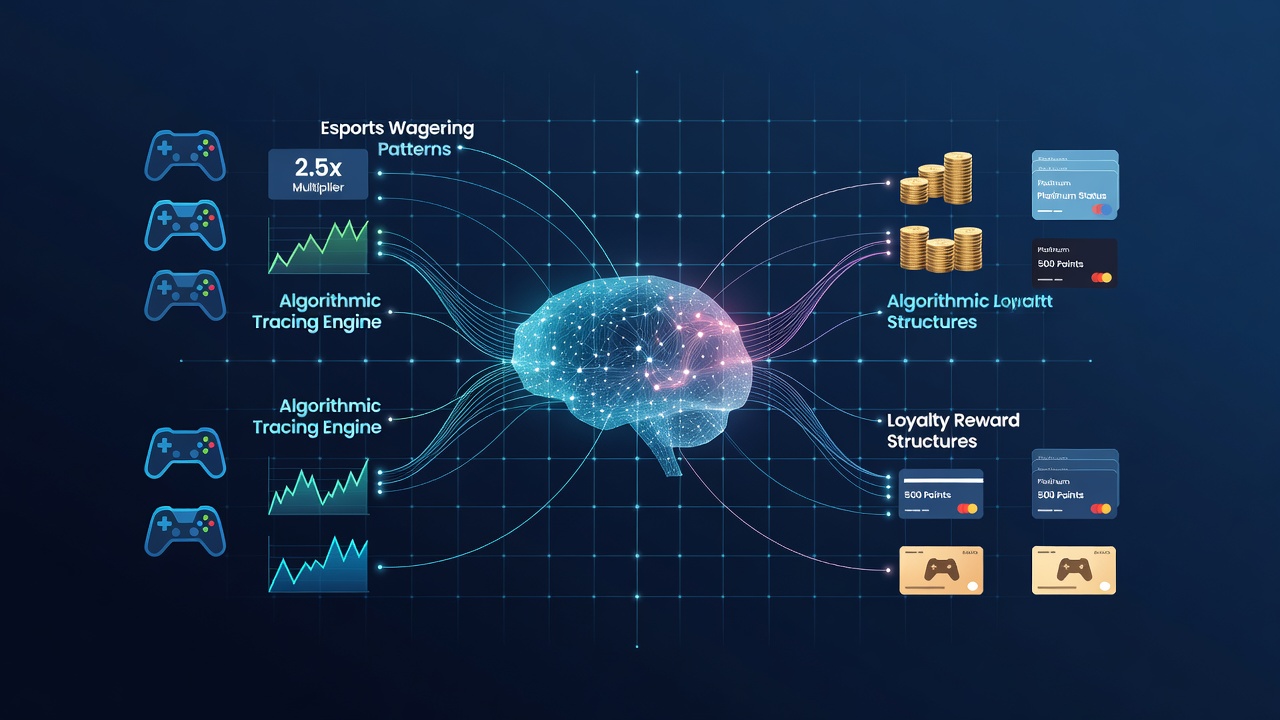
Algorithmic Pathways: Connecting Esports Wagering Trends to Loyalty Reward Mechanisms Across Digital Platforms
Esports wagering has expanded rapidly since 2024, and observers note that betting platforms now integrate data streams from competitive gaming events with established loyalty frameworks that originated in traditional casino and sportsbook operations. Researchers at institutions tracking these developments have documented how algorithms detect recurring bet sizes, session durations, and game selection habits in esports titles, then map those inputs onto point accumulation models once reserved for slot play or table game activity. Data from August 2026 shows continued growth in cross-category participation, with several major operators reporting that users who place esports wagers at least twice weekly also engage loyalty tiers at higher rates than those limited to conventional sports betting.
Core Components of Esports Wagering Data Streams
Platforms collect granular information on match outcomes, live odds adjustments, and player prop bets across titles such as League of Legends and Counter-Strike. These feeds feed into machine learning models that identify clusters of behavior, including rapid successive bets during tournament brackets and preference shifts toward underdog selections. Analysts have observed that such clusters often correlate with elevated engagement metrics that loyalty programs reward through bonus multipliers or accelerated tier progression. One study released in mid-2026 by a European research consortium highlighted that esports bettors who maintain consistent staking patterns receive personalized reward offers at rates 18 percent higher than average users in mixed betting environments.
Traditional Loyalty Structures and Their Algorithmic Foundations
Loyalty systems in established gaming platforms rely on tiered point systems calculated from total handle, frequency of deposits, and retention over rolling periods. These structures assign values to different product categories, with sports betting and casino games historically weighted more heavily than newer verticals. Algorithms adjust point accrual dynamically, incorporating variables such as time of day, device type, and promotional eligibility. When esports wagering entered mainstream offerings, developers extended the same weighting logic to accommodate the distinct volatility and session lengths typical of competitive gaming markets, allowing seamless integration without rebuilding core databases.
Tracing the Algorithmic Overlaps
Multiple operators now deploy unified data lakes that merge esports transaction logs with loyalty ledgers, enabling real-time recalculation of reward eligibility. These systems apply similar clustering techniques to both domains, grouping users by risk tolerance and preferred payout structures. Evidence from platform audits conducted through 2026 indicates that prediction models originally trained on slot volatility data now process esports in-play betting sequences with comparable accuracy. The result is a shared infrastructure where a user’s esports activity can trigger loyalty bonuses originally designed for table game streaks, and vice versa.
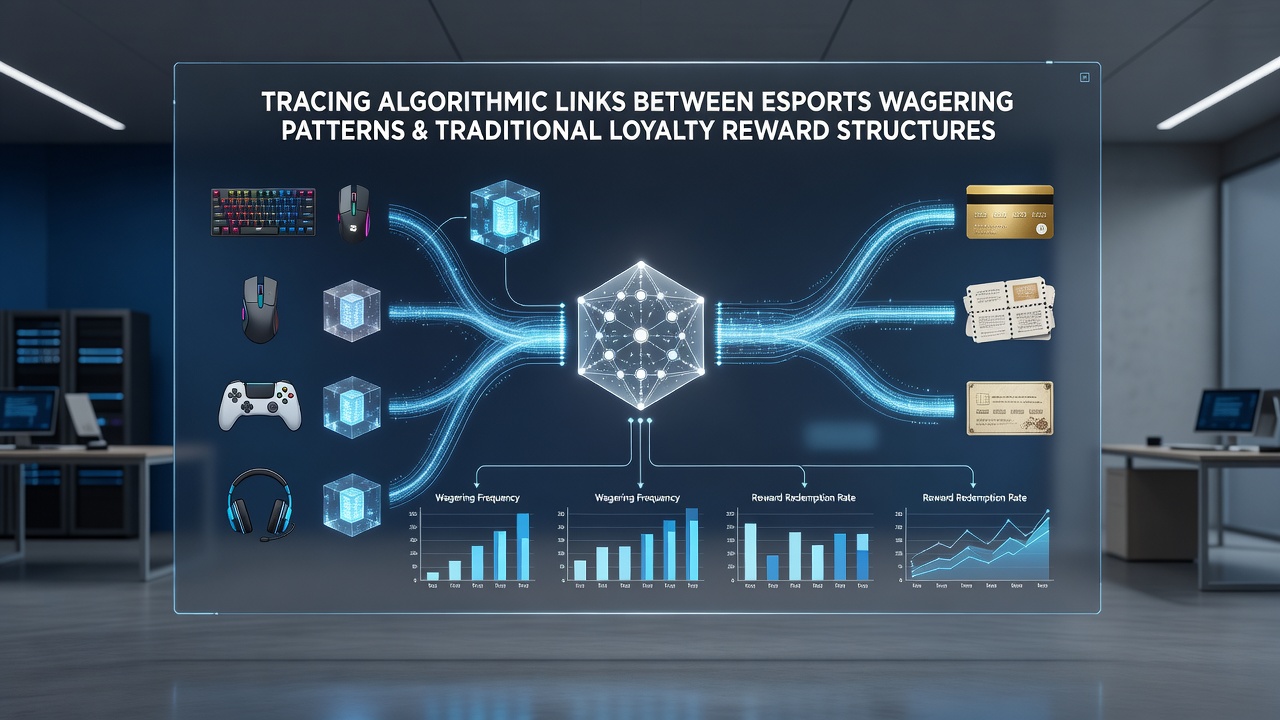
Cross-border data sharing agreements further strengthen these links, as operators licensed in multiple jurisdictions synchronize user profiles to maintain consistent reward delivery. Regulatory filings from the Nevada Gaming Control Board and the Australian Communications and Media Authority both reference the need for transparent algorithmic governance when loyalty calculations span product categories. Industry reports from the European Gaming and Betting Association note that such synchronization has reduced duplicate account issues while increasing measurable retention across verticals.
Platform Implementation Examples
One operator based in Asia expanded its loyalty engine in early 2026 to include esports bracket challenges as qualifying events for tier advancement. Users completing a set number of verified esports wagers received bonus credits calculated through the same formula applied to live casino sessions. Another platform serving North American markets introduced a unified leaderboard that ranks participants according to combined activity in esports and traditional sports, with algorithmic adjustments that prevent any single category from dominating point distribution. Observers tracking these rollouts report that average user lifetime value metrics rose following the updates, although individual results vary by region and regulatory constraints.
August 2026 Data Trends
Figures released during August 2026 reveal that platforms incorporating unified algorithmic models experienced a measurable uptick in multi-vertical engagement. Esports wagering volume increased alongside loyalty redemptions, particularly among users who had previously concentrated activity in one product area. Researchers examining anonymized datasets found that the timing of reward notifications aligned with esports tournament schedules produced higher response rates than generic promotions. These patterns suggest that the algorithmic bridge between wagering behavior and loyalty incentives continues to influence how operators structure future campaigns.
Conclusion
The convergence of esports wagering patterns with traditional loyalty reward structures rests on shared data architectures that process diverse inputs through consistent analytical frameworks. As operators refine these systems, regulatory bodies across multiple regions continue to monitor compliance with transparency requirements. The developments observed through August 2026 demonstrate that algorithmic integration has become a standard feature of platform design, shaping how participants move between product categories while accumulating and redeeming rewards. Continued documentation of these links will inform both operational strategies and oversight practices in the coming periods.